Dear Cape Friends,
If you’re new here, welcome. If you’ve been along for the ride, welcome back
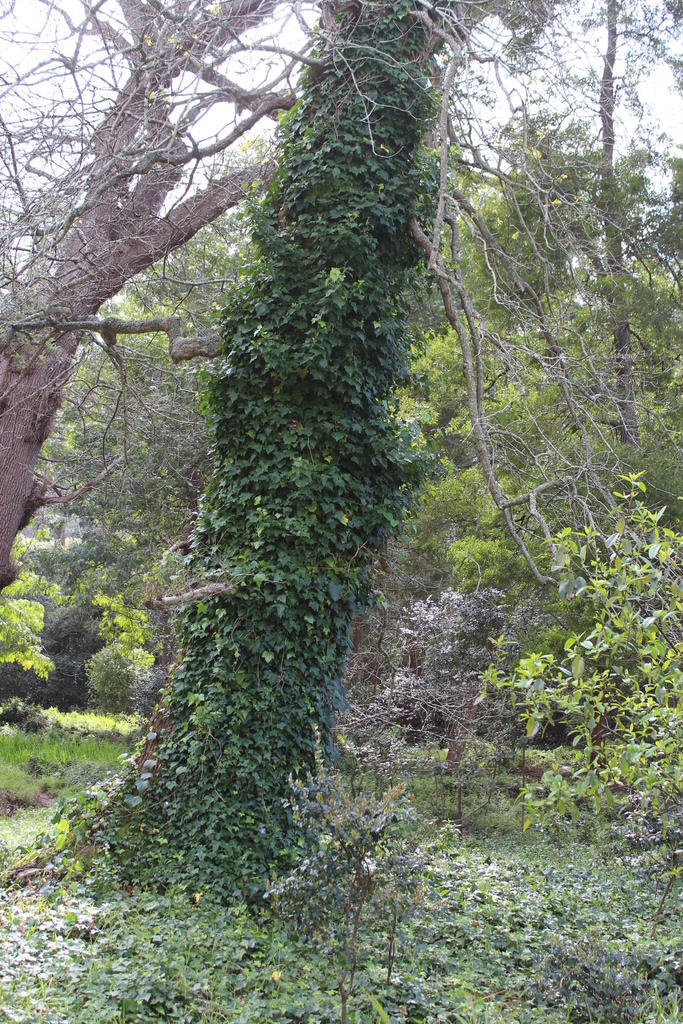
.Apparently, the beautiful English ivy climbing trees and old homes may not be as harmless as many of us once thought… Lemme explain. For decades, English ivy climbing an old Cape Cod tree carried a certain charm to it. It felt timeless. Historic. Almost storybook-like - the kind of scene you might expect to find on an old postcard from Chatham.
Last week, a friend up the street in North Chatham pointed out several large trees on a neighboring property completely wrapped in ivy, which sent me down a surprisingly fascinating rabbit hole involving arborists, invasive species, and even potential liability concerns. And so, the diarrhea started to rise.. 😬
But before anyone panics, I could not find any Chatham bylaw that outlaws English ivy.
There does appear to be a growing awareness that English ivy may be doing far more damage than many homeowners realize.
👉 Click here to learn more: Invasive Species | Chatham, MA
Why Ivy Spreads So Aggressively
Originally brought here from Europe as an ornamental plant, English ivy became popular because it grows quickly, stays green year-round, and gives homes a classic “Old World” appearance. (To be fair, part of its appeal is understandable - it stays green year-round, softens harsh landscapes, and can make older homes feel beautifully established.)
The problem is… it grows REALLY quickly.
Conservation groups from New England to the Pacific Northwest now classify it as an invasive species. Once established, ivy spreads aggressively across the ground, over fences, up siding, and eventually into tree canopies
Ivy & Trees = no bueno!
Once ivy attaches itself to mature trees, several problems can emerge. The vines trap moisture against bark, conceal disease, and add substantial weight high into the canopy. During storms, heavy ivy growth can also increase what arborists call “sail effect,” allowing wind to exert greater force against the tree.
In other words, the ivy may look beautiful to your spouse’s book club while everyone's sipping Sauvignon Blanc on the patio… right up until the nor’easter arrives. Hello! and might wanna refill that Oyster Bay (I only mention this brand as my old neighbor in CT used to drink it by the case, weekly..)
Many arborists now strongly recommend removing ivy from mature trees entirely, especially on the Cape where salt, wind exposure, and increasingly volatile weather already stress older trees.
My Own Wake-Up Call
I may have my own issue brewing. After getting home, I walked around my property and quickly realized I have English ivy growing not far from my barn and beginning to work its way into nearby trees. Like many people, I had honestly never given it much thought.
Now? I’m looking at it a little differently.
My friend also mentioned that his insurance agent warned him that heavy ivy growth near structures can potentially create additional fire concerns, particularly around older wooden buildings and barns. Needless to say, I’m now looking at the ivy near my own barn with a bit more skepticism than I was a week ago.
Liability Concerns
Again, to be crystal clear: Chatham does not currently have a bylaw saying homeowners are automatically liable for having ivy on trees. But apparently, Massachusetts law does recognize that property owners can potentially be responsible if they knowingly ignore dangerous or visibly compromised trees that later cause damage to neighboring property.
Heads up: If ivy contributes to deterioration - or conceals obvious decay - one can easily imagine future disputes involving insurance companies, attorneys, neighbors, and arborists all debating whether warning signs should have been addressed earlier.
This probably is not a conversation homeowners should ignore. A 70ft oak unexpectantly arriving in your neighbor’s kitchen just might slightly strain your relationship. Just saying…
And perhaps that is part of modern homeownership on the Cape - balancing the charm and character we all love with the reality that protecting a property today increasingly requires a more proactive eye toward maintenance, safety, and long-term preservation.
How To Stop It
Most arborists recommend cutting the ivy vines around the base of the tree, disconnecting the upper growth from the root system below. Importantly, you generally do NOT want to rip attached vines directly off the bark immediately, as that can damage the tree itself.
Still, if you have mature trees heavily covered in ivy, it may not be the worst idea to have an arborist take a quick look. At minimum, you may gain some peace of mind. At maximum, you may prevent a future headache that literally comes crashing through someone’s roof.
(And if you’re around Friday morning, I’ll be at my favorite - Chatham Perk from 8:00–9:00am. As always, coffee’s on me.)
See you around the elbow (and hopefully Friday morning),
Paul
P.S. If you’re thinking about buying or selling, PaulBorde.com is a great place to browse listings, catch past NEWSLETTERS, and stay current on the market — and, if I may say so, revisit a few of my Pulitzer Prize–level hits. 😀